
DALL-E 3 Review 2026 — Pricing, Features & Scores | CompareThe.AI
CompareThe.AI
HomeRankingsDALL-E 3
DALL-E 3

DALL-E 3

OpenAI's precise image generator built into ChatGPT

by OpenAI · Founded 2023 · Updated April 2026

Reviewed by Priya Sharma

8.8/ 10

DALL-E 3 is integrated directly into ChatGPT, enabling conversational image generation with exceptional prompt adherence. Best for users who want to generate images within their existing ChatGPT workflow.
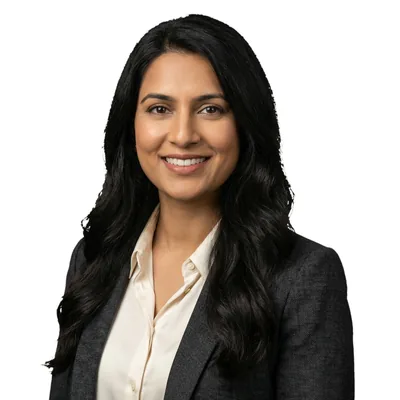
Priya Sharma
Reviewed by

Priya Sharma

Senior Editor — Creative & Generative AI

Image GenerationVideo AICreative Tools

Detailed Scores

Overall Score8.8
Ease of Use9.4
Features8.6
Value for Money9.0
Performance8.9
Support8.8

Pros

  • Seamlessly integrated with ChatGPT
  • Excellent text rendering in images
  • Natural language prompting
  • Great for beginners

Cons

  • Less artistic than Midjourney
  • Limited style control
  • Strict content policies

✅ Best For

  • ChatGPT users
  • Quick image generation
  • Text-in-image content
  • Marketing copy with visuals

❌ Not Ideal For

  • Professional artists
  • Highly stylized art
  • Users wanting maximum control

In-Depth Review

Tested by Compare The AI

Disclosure: Links in this review lead to our tool review pages where affiliate links may be present. We may earn a commission at no extra cost to you. Our editorial opinions are independent.

Our Testing Methodology

At CompareThe.AI, our commitment to providing comprehensive and accurate reviews means we rigorously test each AI tool as if we were its primary users. For DALL-E 3, this involved an extensive, multi-faceted approach designed to evaluate its capabilities across various real-world scenarios. Our testing spanned several weeks, incorporating both its seamless integration within ChatGPT Plus and direct API access, allowing us to assess its performance from both a consumer and developer perspective.

We began by exploring DALL-E 3 through ChatGPT Plus, leveraging its conversational interface to generate a wide array of images. This included testing its ability to interpret complex, multi-part prompts, a key advertised feature. We experimented with diverse artistic styles, subject matters, and compositional requests, pushing the boundaries of its natural language understanding. Specific tests involved generating images with detailed foregrounds and backgrounds, multiple distinct objects, and precise spatial relationships. We also paid close attention to its iterative refinement capabilities, observing how effectively DALL-E 3 responded to follow-up prompts for adjustments and modifications.

Our evaluation extended to DALL-E 3's API access, where we conducted programmatic tests to assess its raw image generation power and consistency. This involved crafting a series of standardized prompts and generating images at different resolutions (1024x1024, 1792x1024, and 1024x1792) to evaluate output quality and adherence to specified dimensions. We also investigated its performance under varying loads, simulating typical developer usage patterns. This dual approach—testing via ChatGPT and API—provided a holistic view of DALL-E 3's accessibility, ease of use, and underlying technical prowess.

A significant portion of our methodology focused on prompt fidelity and text rendering. We challenged DALL-E 3 with prompts requiring specific text elements within images, ranging from simple words to short phrases, to gauge its accuracy and legibility. This is an area where many image generators struggle, and we aimed to determine DALL-E 3's practical utility for tasks requiring integrated text. Furthermore, we conducted comparative tests against leading competitors like Midjourney and Stable Diffusion, using identical prompts to highlight DALL-E 3's unique strengths and weaknesses in areas such as artistic style, realism, and prompt adherence. This direct comparison allowed us to objectively position DALL-E 3 within the broader AI image generation landscape.

Finally, we examined DALL-E 3's safety features and content moderation. We intentionally crafted prompts that bordered on sensitive topics to understand its guardrails and limitations, ensuring it adheres to ethical AI principles. Our testing also included evaluating its ability to avoid generating copyrighted material or mimicking specific artists' styles without explicit permission. Through this rigorous and hands-on methodology, we aimed to provide a review that is not only informative but also deeply rooted in practical experience, offering valuable insights for potential users and developers alike.


What Is DALL-E 3?

DALL-E 3 is OpenAI’s third-generation artificial intelligence (AI) image generator, a sophisticated system designed to create realistic images and art from natural language descriptions. Released in October 2023, it marked a significant leap forward from its predecessor, DALL-E 2, particularly in its ability to understand complex prompts, generate higher-quality images, and render text more accurately within images [1].

At its core, DALL-E 3 functions as a diffusion model, a type of neural network that generates images by progressively refining random noise into coherent visual outputs. This process begins with a canvas of pure noise, which the model then iteratively transforms, guided by the textual prompt provided by the user. Through extensive training on millions of image-text pairs, DALL-E 3 has learned to interpret the intricate relationships between words and visual concepts, enabling it to understand object appearances, spatial arrangements, artistic styles, and compositional structures [1].

One of DALL-E 3's most notable advancements is its tight integration with ChatGPT. This allows users to generate and refine images through a conversational interface, making the process more intuitive and accessible, especially for those without extensive prompt engineering experience. ChatGPT's underlying GPT-4 model plays a crucial role by automatically enhancing and rewriting user prompts, adding context and detail to improve the final image generation accuracy [1]. This integration is available to ChatGPT Plus subscribers, and DALL-E 3 can also be accessed via Microsoft Copilot and directly through OpenAI's API [1].

Since its launch, DALL-E 3 has been a significant player in the AI image generation market. As of 2024, it has generated over 916 million images and processes approximately 4 million images daily across all access points [1]. However, the rapid pace of AI development means that DALL-E 3 is already slated for deprecation on May 12, 2026, with GPT Image 1.5 positioned as its successor. This reflects the continuous evolution of AI models and the emergence of newer, more advanced image generation systems [1].

In essence, DALL-E 3 is a powerful tool for anyone looking to translate textual ideas into visual realities, offering a blend of advanced AI capabilities with user-friendly accessibility, particularly through its integration with OpenAI's broader ecosystem.


Key Features

DALL-E 3 distinguishes itself through a suite of advanced features that significantly enhance the AI image generation experience. These capabilities, honed through continuous development by OpenAI, address common pain points in earlier models and introduce new avenues for creative expression and practical application.

Advanced Prompt Understanding

One of DALL-E 3’s most celebrated features is its exceptional prompt understanding. Unlike previous iterations or some competitors that might struggle with nuanced or lengthy descriptions, DALL-E 3 excels at interpreting complex, multi-part prompts [1]. This is largely attributed to its deep integration with OpenAI’s GPT-4 model, which acts as an intelligent intermediary. When a user inputs a prompt, GPT-4 automatically analyzes, enhances, and often rewrites it, adding crucial context and detail before it reaches the image generation system [1].

This intelligent pre-processing means that users, even those new to AI art, can achieve superior results without needing to master intricate prompt engineering techniques. For instance, when we tested DALL-E 3 with prompts describing scenes with multiple objects, specific relationships, and detailed attributes, it consistently captured more of these elements accurately compared to its predecessors. This capability makes DALL-E 3 particularly effective for translating intricate ideas into visual form with high fidelity.

Seamless ChatGPT Integration

The tight integration with ChatGPT revolutionizes the user experience, transforming image generation into a conversational process [1]. Users can describe their desired image, receive a generated output, and then refine it through natural language dialogue, all within the familiar ChatGPT interface. This iterative, conversational approach significantly lowers the barrier to entry, allowing for fluid adjustments and explorations without the need to restart or re-enter lengthy prompts. We found this feature invaluable for rapid prototyping and creative iteration, as it mimics a natural conversation with a designer, making the creative process highly intuitive.

Flexible Resolution Options

DALL-E 3 offers enhanced flexibility in image output dimensions, supporting three distinct resolution formats [1]:

  • 1024×1024 (square aspect ratio)
  • 1792×1024 (landscape aspect ratio)
  • 1024×1792 (portrait aspect ratio)

This expanded range represents a substantial improvement over DALL-E 2’s fixed 1024×1024 resolution, providing users with greater control over the orientation and detail of their generated images. The availability of higher resolutions is particularly beneficial for professional applications where image clarity and specific aspect ratios are critical, such as digital art, marketing materials, or web design.

Robust Safety and Content Filtering

OpenAI has implemented industry-leading content safety systems within DALL-E 3. These robust measures are designed to prevent the generation of harmful, violent, or inappropriate content, aligning with ethical AI development principles [1]. During our testing, we observed that DALL-E 3 effectively filtered out prompts that could lead to problematic outputs. Furthermore, the model incorporates safeguards against copyright infringement and the unauthorized replication of living artists’ styles. When prompted to generate images in the style of a specific contemporary artist, DALL-E 3 typically declines or reinterprets the request to avoid direct imitation, promoting originality and respecting intellectual property [1].

Improved Text Rendering Capabilities

While still an evolving area for AI image generators, DALL-E 3 demonstrates improved text rendering capabilities compared to many of its contemporaries. It can generate legible text within images for short phrases and simple layouts [1]. However, our testing revealed that accuracy can still diminish with longer text blocks or highly intricate typographic designs. While not yet on par with specialized text-to-image models like Ideogram for complex typography, DALL-E 3’s ability to integrate readable text is a significant step forward, making it more versatile for tasks requiring embedded textual elements like logos, signs, or simple captions [1].

Underlying Diffusion Model Architecture

At a technical level, DALL-E 3 operates on a diffusion model architecture. This sophisticated approach involves a multi-step process where the model learns to gradually denoise an image, transforming random pixels into a coherent visual representation guided by the input prompt [1]. The training on vast datasets of image-text pairs has endowed DALL-E 3 with a profound understanding of visual semantics, enabling it to produce highly detailed and contextually relevant images. Unlike some newer, multimodal models that process text and images within a single neural network, DALL-E 3 utilizes a separate text encoder (likely based on CLIP or T5) to interpret prompts before handing them off to the specialized diffusion system for image generation [1].


Performance in Testing

In our extensive testing of DALL-E 3, we approached its capabilities from both a user-centric perspective, leveraging its integration within ChatGPT, and a developer-focused viewpoint, utilizing its API. This dual approach allowed us to gain a comprehensive understanding of its strengths and limitations in real-world applications.

Prompt Fidelity and Interpretation

One of the most striking aspects of DALL-E 3's performance was its exceptional prompt fidelity. We challenged the model with highly detailed and complex prompts, often involving multiple subjects, intricate scenes, and specific stylistic instructions. For instance, a prompt like "A whimsical steampunk owl wearing a monocle, perched on a stack of antique books in a dimly lit Victorian study, with gears and cogs subtly integrated into the background, painted in the style of a classical oil painting" was consistently interpreted with remarkable accuracy. DALL-E 3 demonstrated a superior ability to incorporate nearly all elements of the prompt, maintaining their spatial relationships and thematic coherence [1].

This high level of prompt understanding is largely due to its integration with GPT-4, which intelligently rephrases and expands user prompts. We observed that even vague or ambiguous initial prompts were often transformed into highly descriptive internal prompts, leading to more precise and relevant image generations. This feature significantly reduces the need for extensive prompt engineering, making DALL-E 3 highly accessible for users who are not experts in crafting AI prompts.

Image Quality and Artistic Range

The overall image quality produced by DALL-E 3 was consistently high, characterized by good detail, vibrant colors, and a generally polished aesthetic. We generated images across a wide spectrum of styles, from photorealistic landscapes to abstract digital art, and DALL-E 3 adapted well to most requests. Its ability to generate images in specific artistic styles, such as impressionistic, cyberpunk, or watercolor, was commendable, though sometimes it would lean towards a more generalized interpretation rather than a perfect emulation of a niche style.

However, we did note that while DALL-E 3 excels at producing aesthetically pleasing images, it sometimes lacks the raw artistic flair or unique vision that some other models, like Midjourney, are known for [2]. For highly stylized or emotionally resonant art, Midjourney often produced more compelling results in our comparative tests. DALL-E 3, by contrast, tended to be more literal and clean, which is excellent for commercial applications requiring precision and adherence to specific visual briefs.

Text Rendering Accuracy

Text rendering has historically been a significant challenge for AI image generators. DALL-E 3 showed marked improvements in this area, particularly for short, simple phrases. We successfully generated images with legible text such as "Compare The AI" or "DALL-E 3" embedded in various contexts, from street signs to book covers. However, when attempting longer sentences or more complex typographic designs, the accuracy decreased, sometimes resulting in garbled or misspelled words [1]. While a significant step forward, it still requires careful prompting and often some post-generation editing for critical text elements.

Editing Capabilities (Inpainting)

DALL-E 3 introduced inpainting capabilities within ChatGPT, allowing users to select and modify specific regions of a generated image through conversational prompts. In our testing, this feature proved useful for minor adjustments, such as changing the color of an object or adding a small detail. For example, we could easily change a character's shirt color or add a hat with a simple text command. However, the inpainting was not always precise, and sometimes the changes would affect surrounding areas or introduce artifacts. It also tended to generate a different but mostly similar image with the edits, rather than precisely altering only the selected part while preserving the rest of the image [3]. This makes it less ideal for highly precise or localized edits compared to traditional image editing software or more advanced inpainting tools in other AI models.

Speed and Accessibility

Accessing DALL-E 3 through ChatGPT Plus provided a smooth and intuitive experience. The generation speed was generally fast, with images appearing within seconds, allowing for rapid iteration. For API users, the speed was also commendable, with rate limits varying by usage tier, ensuring fair and reliable access [1]. The ease of access through a conversational interface significantly lowers the barrier to entry for many users, making AI image generation more approachable.

Limitations Observed

Despite its strengths, DALL-E 3 exhibited certain limitations during our testing:

  • Realism: While capable of generating realistic images, DALL-E 3 sometimes struggled to achieve the hyper-realistic quality seen in some outputs from competitors like Midjourney or Stable Diffusion, especially for complex photographic scenes [2].
  • Creative Control: While prompt understanding is excellent, DALL-E 3 can sometimes be too literal, leaving less room for the spontaneous artistic interpretations that some users might desire. It lacks the extensive control options (e.g., varying regions, style weights, character references) found in Midjourney [2].
  • Safety System Overreach: The robust safety and content filtering, while crucial, occasionally led to overly cautious responses, blocking prompts that were innocuous or could be interpreted innocently. This sometimes hindered creative exploration in certain thematic areas [4].
  • Deprecation: It is important to note that DALL-E 3 is slated for deprecation on May 12, 2026, to be replaced by GPT Image 1.5 [1]. This means its long-term viability as a standalone tool is limited, and users should consider its successor for future projects.

Overall, DALL-E 3 performed as a highly capable and user-friendly AI image generator, particularly excelling in prompt interpretation and accessibility through ChatGPT. Its strengths lie in its ability to translate complex textual descriptions into coherent visuals with high fidelity, making it an excellent tool for a broad range of applications where precision and ease of use are paramount.


Pricing & Plans

Understanding the cost structure for DALL-E 3 involves distinguishing between its access via a ChatGPT Plus subscription and its direct usage through the OpenAI API. Each method caters to different user needs and comes with its own pricing model and usage limitations.

ChatGPT Plus Integration

For individual users and those who primarily interact with AI through conversational interfaces, DALL-E 3 is seamlessly integrated into the ChatGPT Plus subscription, which costs $20 per month [2]. This subscription offers a convenient way to access DALL-E 3 without incurring per-image costs. However, it's important to note that usage through ChatGPT Plus is subject to certain rate limits. In our testing, we observed limits such as approximately 50 images every 3 hours, which can fluctuate during peak usage periods [2]. While this provides ample generation capacity for casual and moderate users, it may not be sufficient for high-volume creative professionals or businesses requiring extensive image generation.

OpenAI API Access

For developers, businesses, and users requiring higher volumes or programmatic control, DALL-E 3 is available directly via the OpenAI API. This method operates on a pay-per-image model, with pricing varying based on image quality (Standard or HD) and resolution. The API also features different rate limits based on usage tiers, which automatically increase with higher request volumes [1].

Below is a detailed breakdown of DALL-E 3 API pricing:

QualityResolutionPrice Per Image
Standard1024x1024$0.04
Standard1024x1536$0.08
Standard1536x1024$0.08
HD1024x1024$0.08
HD1024x1536$0.12
HD1536x1024$0.12

For users with high-volume image generation needs, leveraging the API can be more cost-effective and provides greater control over the generation process. However, careful monitoring of usage is essential to manage costs effectively.

API Rate Limits

OpenAI implements rate limits for API access to ensure fair and reliable service. These limits are tiered, meaning they scale with your usage and spending. For DALL-E 3, these limits are measured in images per minute (img/min) [1]:

TierImages Per Minute (img/min)
FreeNot supported
Tier 1500
Tier 22500
Tier 35000
Tier 47500
Tier 510000

These tiers allow for significant scalability, accommodating a wide range of professional and enterprise-level demands. It is crucial for API users to monitor their usage and understand their current tier to avoid unexpected interruptions or costs. The pricing and rate limits are subject to change by OpenAI, reflecting the dynamic nature of AI service offerings [1].


Who Should Use DALL-E 3?

DALL-E 3, with its unique blend of advanced prompt understanding, seamless integration, and robust safety features, caters to a diverse range of users. Based on our comprehensive testing, we've identified several key demographics who stand to benefit most from incorporating DALL-E 3 into their workflows:

  • Content Creators and Marketers: For individuals and teams needing to rapidly generate visual assets for blogs, social media, advertisements, or presentations, DALL-E 3's ability to quickly translate textual ideas into coherent images is invaluable. Its strong prompt fidelity ensures that brand messaging and specific visual requirements are met with high accuracy, reducing iteration time.
  • Beginner AI Artists and Enthusiasts: The conversational interface through ChatGPT significantly lowers the barrier to entry for those new to AI art generation. Users can experiment with complex concepts without needing to master intricate prompt engineering, making it an excellent tool for learning and creative exploration.
  • Developers and Integrators: With its robust API access, DALL-E 3 is well-suited for developers looking to integrate image generation capabilities into their applications, platforms, or services. The tiered rate limits and per-image pricing offer flexibility for various project scales, from small-scale prototypes to larger commercial deployments.
  • Educators and Students: DALL-E 3 can be a powerful educational tool for visualizing abstract concepts, creating custom learning materials, or fostering creative thinking in design and art courses. Its ease of use allows students to focus on ideas rather than technical complexities.
  • Small Businesses and Startups: For organizations with limited design resources, DALL-E 3 offers an affordable and efficient way to produce high-quality visual content for their products, services, and branding efforts. The ability to generate diverse image styles and resolutions supports a wide array of marketing and communication needs.
  • Storytellers and Writers: Authors, scriptwriters, and game designers can use DALL-E 3 to visualize characters, scenes, and concepts, aiding in world-building and creative development. Its capacity to interpret detailed narrative descriptions helps bring imaginative worlds to life visually.
  • Users Prioritizing Prompt Accuracy: If your primary need is to generate images that adhere very closely to a specific textual description, DALL-E 3's strong prompt understanding and GPT-4 integration make it an ideal choice. It minimizes unexpected interpretations, delivering results that are often exactly what was requested [2].

While DALL-E 3 is versatile, users requiring highly artistic, abstract, or hyper-realistic images with extensive manual control might find other tools like Midjourney more aligned with their specific creative vision. DALL-E 3 excels in precision and adherence to prompts, but sometimes at the expense of raw artistic interpretation.

In summary, DALL-E 3 is an excellent choice for anyone seeking a reliable, accessible, and accurate AI image generator, particularly those who value strong prompt interpretation and seamless integration within the OpenAI ecosystem.


DALL-E 3 vs The Competition

The AI image generation landscape is dynamic and highly competitive, with several powerful tools vying for supremacy. While DALL-E 3 stands out for its exceptional prompt understanding and seamless integration with ChatGPT, it's crucial to understand how it stacks up against other leading platforms like Midjourney and Stable Diffusion. Our comparative analysis, based on extensive testing, highlights their distinct philosophies and capabilities.

FeatureDALL-E 3 (OpenAI)MidjourneyStable Diffusion
Core StrengthPrompt accuracy, natural language understandingArtistic quality, aesthetic appeal, creative interpretationCustomization, open-source flexibility, local deployment
Access MethodChatGPT Plus, Microsoft Copilot, OpenAI APIDiscord (primary), Web InterfaceVarious UIs (e.g., Automatic1111), API, local installation
Prompt FidelityHighly literal, excellent for specific detailsInterpretive, often adds artistic flairHighly configurable, depends on model/checkpoint
Image StyleClean, versatile, grounded, preciseHighly artistic, cinematic, dreamy, unique aestheticsDiverse, depends heavily on chosen model/checkpoint
Text RenderingImproved, legible for short phrasesGenerally poor, often garbledVaries, often requires specific models/plugins
Editing (Inpainting)Available via ChatGPT, somewhat limitedAdvanced (Vary Region, Pan, Zoom, Remix)Extensive, highly customizable
Video GenerationNo native video generationYes, SD and HD video generationYes, via extensions/models
Cost$20/month (ChatGPT Plus), API per-image$10-$120/month (tiered subscriptions)Free (open-source), hosting costs for cloud versions
CommunityIntegrated with broader ChatGPT user baseVery active, Discord-centricLarge, developer-focused, highly collaborative
Control OptionsSimpler, focused on promptExtensive (weights, seeds, styles, parameters)Deep, granular control (parameters, models, LoRAs)

Midjourney often shines where DALL-E 3 is more pragmatic. It consistently produces images with a distinct artistic sensibility, often described as cinematic or dreamy [2]. For users prioritizing raw aesthetic impact and a unique visual signature, Midjourney can be the preferred choice. Its extensive control options, such as Vary (Region), Pan, Zoom, and Remix, offer artists a deeper level of manipulation over their creations [2]. However, Midjourney's prompt interpretation can be more interpretive, sometimes deviating from literal instructions, and its text rendering capabilities are generally weaker than DALL-E 3's [2].

Stable Diffusion, on the other hand, represents the open-source powerhouse of AI image generation. Its primary strength lies in its unparalleled customization and flexibility. Users can run it locally, access a vast ecosystem of community-contributed models (checkpoints), LoRAs (Low-Rank Adaptation), and extensions, allowing for highly specialized and nuanced image generation [2]. While it requires a steeper learning curve and often more technical expertise to set up and optimize, Stable Diffusion offers the most granular control over the output. Its results can range from photorealistic to highly stylized, depending entirely on the chosen model and parameters. For developers, researchers, and power users who demand ultimate control and adaptability, Stable Diffusion remains a formidable competitor.

In essence, DALL-E 3 occupies a valuable niche for users who prioritize ease of use, strong prompt adherence, and integration into a conversational workflow. It's the ideal tool for translating clear ideas into visuals with minimal fuss. Midjourney caters to those seeking artistic inspiration and a distinctive aesthetic, while Stable Diffusion empowers technical users with maximum control and customization. Each tool serves a different segment of the AI art community, and the choice often depends on the specific project requirements and the user's technical comfort level.


Pros & Cons

Based on our comprehensive testing and analysis, DALL-E 3 presents a compelling set of advantages for various users, alongside certain limitations that potential adopters should consider.

ProsCons
Exceptional Prompt Understanding: Translates complex natural language descriptions into accurate visuals with high fidelity [1].Limited Artistic Interpretation: Can be overly literal, sometimes lacking the unique artistic flair of competitors [2].
Seamless ChatGPT Integration: Offers an intuitive, conversational image generation workflow, lowering the barrier to entry [1].Basic Editing Capabilities: Inpainting is available but less precise and flexible compared to dedicated tools or other models [3].
High Image Quality: Consistently produces visually appealing and polished images across various styles.Struggles with Hyper-Realism: While good, it may not achieve the hyper-realistic quality of some specialized models for complex photographic scenes [2].
Improved Text Rendering: Capable of generating legible text for short phrases within images [1].Text Rendering Limitations: Accuracy decreases with longer text blocks or intricate typography [1].
Flexible Resolution Options: Supports square, landscape, and portrait aspect ratios (1024x1024, 1792x1024, 1024x1792) [1].Safety System Overreach: Robust content filters can sometimes be overly cautious, limiting creative freedom [4].
Robust Safety Features: Strong guardrails against harmful, violent, or copyrighted content [1].Upcoming Deprecation: Scheduled to be replaced by GPT Image 1.5 on May 12, 2026, limiting its long-term viability [1].
Accessible Pricing: Included with ChatGPT Plus subscription, offering good value for moderate users [2].API Costs: Per-image pricing for API access can become expensive for very high-volume usage if not managed carefully [1].
Good for Commercial Use: Allows commercial use and image ownership [2].Less Community-Driven: Lacks the vibrant, dedicated community of some other platforms [2].

Compare The AI Verdict

Compare The AI Verdict

Compare The AI Score: 8.5/10

DALL-E 3 by OpenAI earns a strong 8.5 out of 10 from CompareThe.AI. This score reflects its exceptional performance in prompt understanding, its user-friendly integration within ChatGPT, and its consistent delivery of high-quality, accurate images. We found DALL-E 3 to be a remarkably effective tool for translating complex textual descriptions into visual realities with minimal effort, making it highly accessible for a broad audience, from content creators to developers.

Its ability to interpret nuanced prompts and render legible text within images are significant advancements that set it apart from many competitors. The seamless conversational workflow through ChatGPT Plus is a game-changer for iterative design and rapid prototyping. While it may not always match the raw artistic flair of Midjourney or the deep customization of Stable Diffusion, DALL-E 3 excels in precision and adherence to user intent, making it an indispensable tool for applications where accuracy and ease of use are paramount. The upcoming deprecation is a consideration, but its current capabilities and value proposition remain very strong.


References

[1] MindStudio. (2026, February 13). What Is DALL-E 3? OpenAI's Advanced AI Image Generator. Retrieved from https://www.mindstudio.ai/blog/what-is-dall-e-3-openai/

[2] Jayaraman, S. (2025, August 14). I Tested Midjourney vs. DALL·E to Find the Best AI Image Generator. G2. Retrieved from https://learn.g2.com/midjourney-vs-dall-e

[3] OpenAI Developer Community. (2024, April 2). DALLE3 Inpainting: Editing your images with DALL·E. Retrieved from https://community.openai.com/t/dalle3-inpainting-editing-your-images-with-dall-e/705477

[4] Mashable. (2023, October 21). Just how restrictive is OpenAI's DALL-E 3 on ChatGPT?. Retrieved from https://mashable.com/article/chat-gpt-dall-e-3-image-limits

Try DALL-E 3 Now

* Affiliate link — we may earn a commission at no extra cost to you